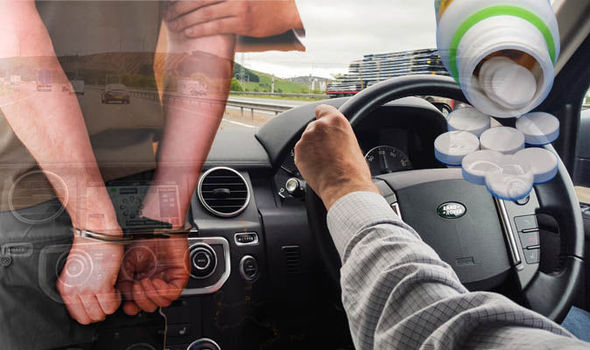
If you are facing a charge of “not being in a position to have proper control of your vehicle”, you may be wondering exactly what this means in legal terms, how it can be interpreted and which driving behaviours it covers.
This article discusses this offence, which is frequently flagged by police officers on the roads of the UK. We will look at the legal definition, explain what can trigger the offence and set out the potential penalties.
The legal basis
The Road Vehicles (Construction and Use) Regulations 1986 state that no person shall drive a motor vehicle on a road if they are in such a position that they cannot have proper control of the vehicle or have a full view of the road and traffic ahead. Also, the Road Traffic Act 1988 has brought the offence in line with mobile phone regulations under the same offence code.
While there is a legal definition, somewhat of a ‘grey area’ still remains in terms of what is classed as ‘proper control’. For this reason, the offence is more subjective than many drivers realise.
What can trigger the offence?
A key characteristic of this offence is its broadness. The offence is applied in a wide range of situations behind the wheel, including holding a mobile phone (even while not using it), eating or drinking, applying make-up, reading a map, or dealing with an unrestrained pet.
The “not in proper control” charge commonly provides an alternative route to prosecution if a mobile phone is just being held, rather than used.
What are the penalties?
If a Fixed Penalty Notice is issued, the offence carries 3 penalty points and a £100 fine.
For cases which go to court, fines can rise up to £1,000 for most drivers, and potentially, disqualification.
Seek legal advice
The prosecution must prove beyond reasonable doubt that you were not in a position to have proper control of your vehicle. If you believe the charge is unjust, it is worth seeking legal advice before accepting the penalty.
At Auriga, our team is highly experienced in cases such as mobile phone driving offences. They can review the evidence and advise you on the best course of action. For more information, visit our dedicated page for this offence.